
New rule bans fake reviews and engagement as influencer marketing faces tighter scrutiny
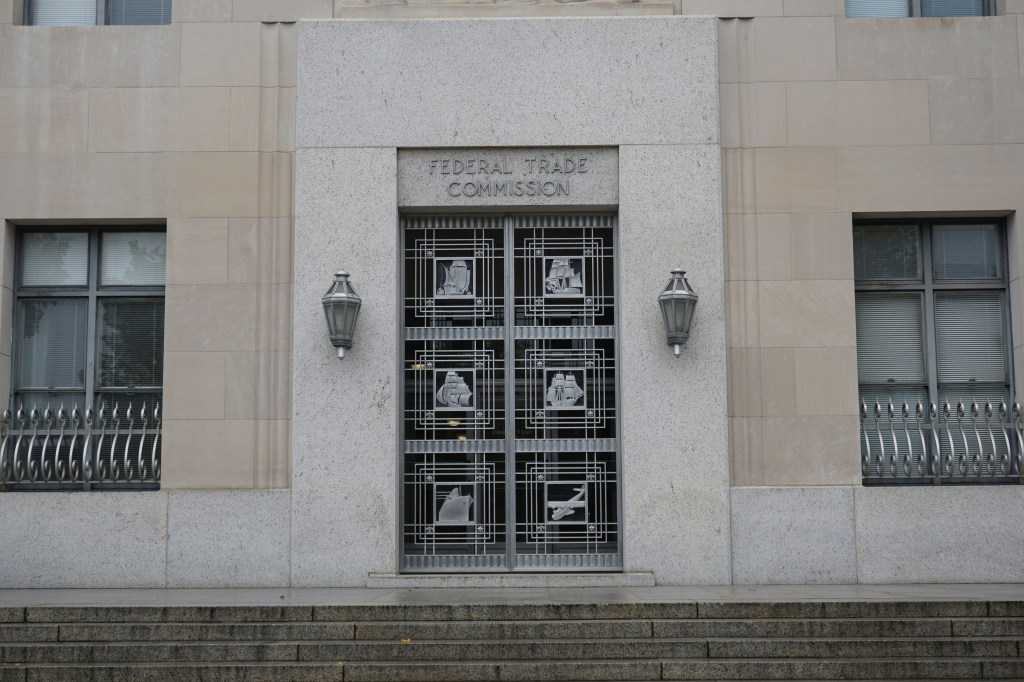
The Federal Trade Commission (FTC) finalized a rule in August 2024 banning the sale or use of fake followers, reviews, and social media engagement. The new regulation, a landmark move targeting digital marketing, includes fines of over $50,000 per violation.
Digital marketing has evolved into a necessary component across nearly every industry – from business and finance to travel, media, food, and transportation. This regulation is a direct response to the growing concern over fraudulent influence in the online marketplace.
Inflated follower counts and fake product endorsements have undermined trust between brands and consumers, and this rule represents one of the strongest federal efforts to date aimed at cleaning up the influencer economy. Influencer marketing continues to evolve into a multi-billion-dollar industry and the FTC’s action is a clear signal that the era of unchecked digital influence is coming to an end.

“When companies use dishonest tactics to gain an edge over honest businesses, it distorts the marketplace and hurts consumers,” FTC Chair Lina Khan said in a public statement.
The finalized rule prohibits any business or individual from purchasing or selling fake reviews, engagement, or social media metrics. Long considered deceptive, but rarely punished with consistency, related practices will now be cracked down on.
This crackdown builds on earlier cases, including the 2019 FTC settlement with Devumi – a now-defunct company that sold fake Twitter followers and YouTube views to high-profile clients. That case was one of the first to expose the scale of the fake-follower economy and served as the foundation for the FTC’s current enforcement strategy.
Brands, PR firms, and influencers alike are reassessing their campaigns to ensure compliance based on the FTC’s decision. According to the above referenced August 2024 Reuters article: “The rule puts businesses on notice that using fake reviews or paying for likes and followers without disclosure will be treated as a deceptive practice.”
Concerns over fraudulent influence are not limited to domestic markets and U.S. entities. In late 2024, Italian fashion influencer Chiara Ferragni faced public and legal backlash after promoting a holiday cake under the guise of a charity partnership. She ultimately paid €3.4 million in fines and triggered proposed influencer transparency legislation in Italy.
One-in-five U.S. adults (21%) regularly get news from social media influencers, according to the Pew Research Center. This trend highlights how influencers help shape public perception making transparency and credibility more essential than ever. Real influence hinges on perceived trust and credibility and when transparency is lost, credibility and integrity could be threatened.
Regulators such as the FTC are sharpening their focus. Precedents that prioritize authenticity over artificial amplification don’t just define new legal boundaries; they set a clear tone.
Influencer fraud, better known as the “scamfluencer” and interchangeably, “grifter,” costs businesses up to $1.3 billion annually and affects approximately 15 percent of global influencer marketing spend. This monetary figure suggests a massive, under regulated landscape that the FTC’s rule now confronts head on.
In a digital world where influence can be bought, the real currency is trust and now, the bill is finally coming due.
 Who's Next?
Leave a comment